
Pierre Sterlé: The Couturier of Jewellery Who Made Gold Move Like Fabric
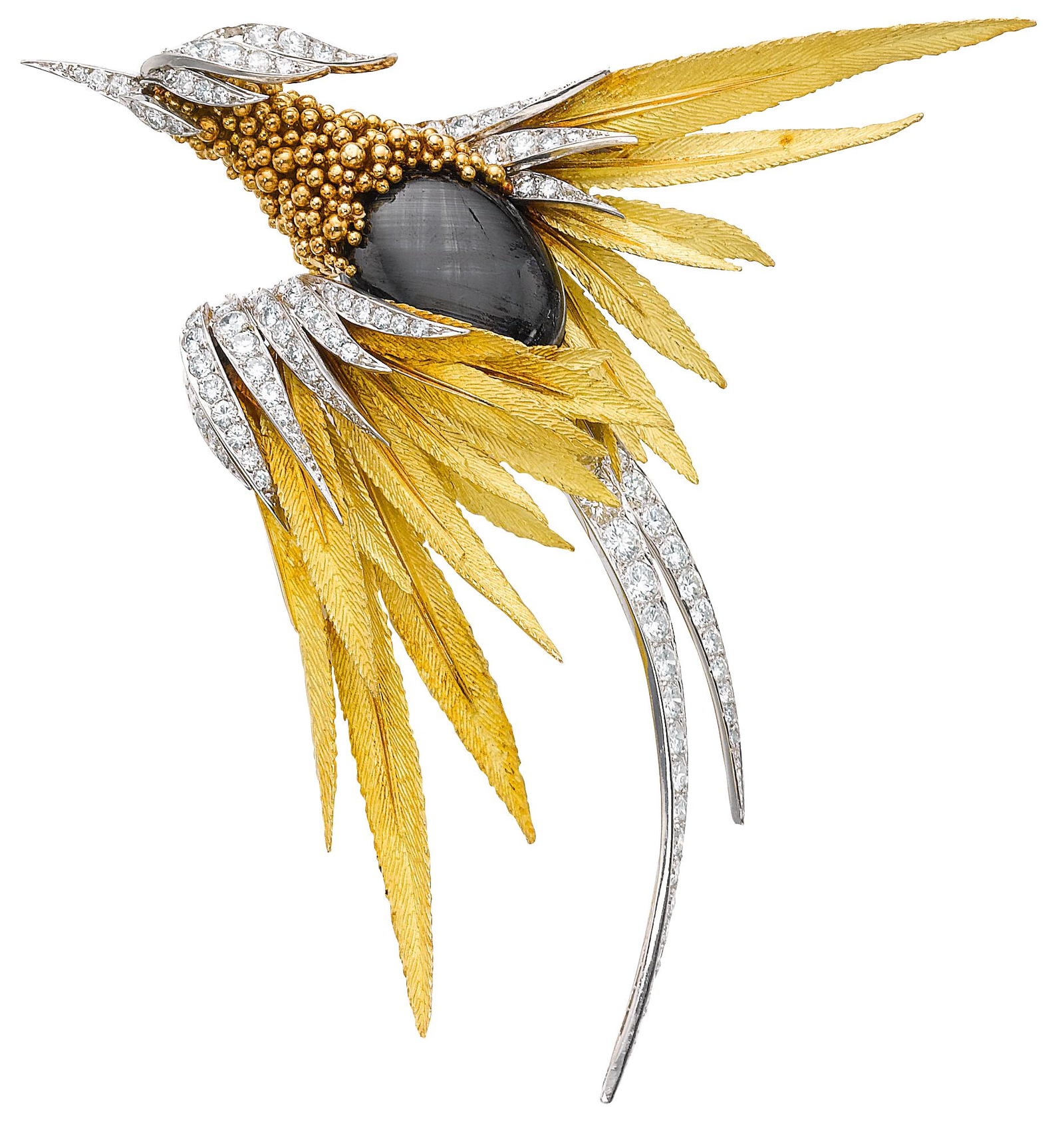
What if gold could move like silk? What if a piece of precious metal could flow, twist, and dance with every movement of the wearer?
For most jewellery designers, gold is a material that needs to be shaped into a fixed structure. But French jewellery designer Pierre Sterlé saw something completely different. He believed that gold could behave almost like fabric, creating jewellery that appeared soft, flexible, and full of movement.
Through his extraordinary craftsmanship, he transformed rigid precious metal into flowing forms that resembled feathers, wings, flowers, and delicate strands of hair.
His innovative approach earned him the remarkable nickname “The Couturier of Jewellery.”
One of his most fascinating creations was the technique known as Angel Hair, which demonstrated how fine gold wires could be transformed into delicate, articulated jewellery that moved naturally with the body.
Let’s explore the life, creativity, and craftsmanship of Pierre Sterlé, the designer who changed the way the world looked at gold jewellery.
Who Was Pierre Sterlé?
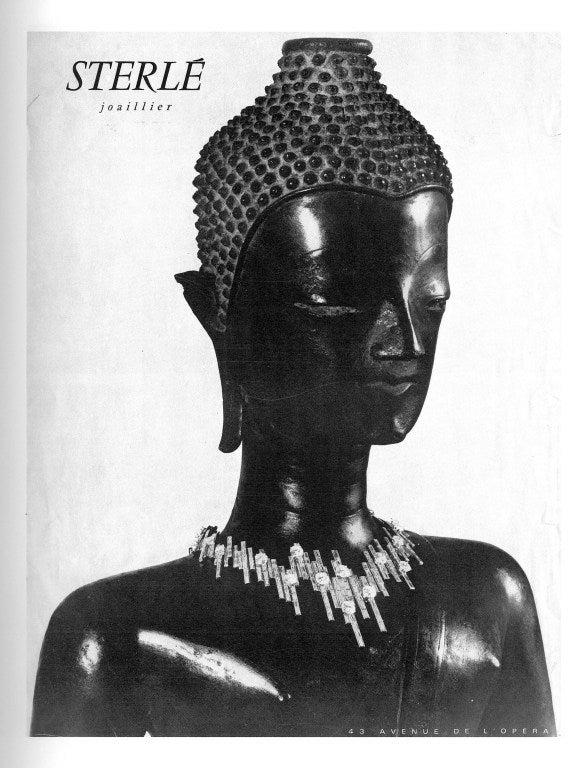
Pierre Sterlé (1905–1978) was a celebrated French jewellery designer known for his imaginative approach to precious metals and gemstones.
His journey into jewellery began through his family. After losing his father during the First World War, he went to live with his uncle, who worked as a jeweller in Paris. This introduced him to the world of jewellery craftsmanship and gave him an opportunity to develop his technical skills.
Sterlé quickly demonstrated an exceptional ability to work with precious metals. Rather than following conventional jewellery-making methods, he experimented with unusual textures, structures, and forms.
By 1934, he had established his own jewellery business and was already creating designs for prestigious jewellery houses, including Boucheron and Chaumet.
His creations attracted wealthy collectors, Parisian society, and members of royal families. His jewellery was appreciated not only for its precious materials but also for its artistic originality and extraordinary craftsmanship.
The Famous Angel Hair Technique: Making Gold Move Like Hair
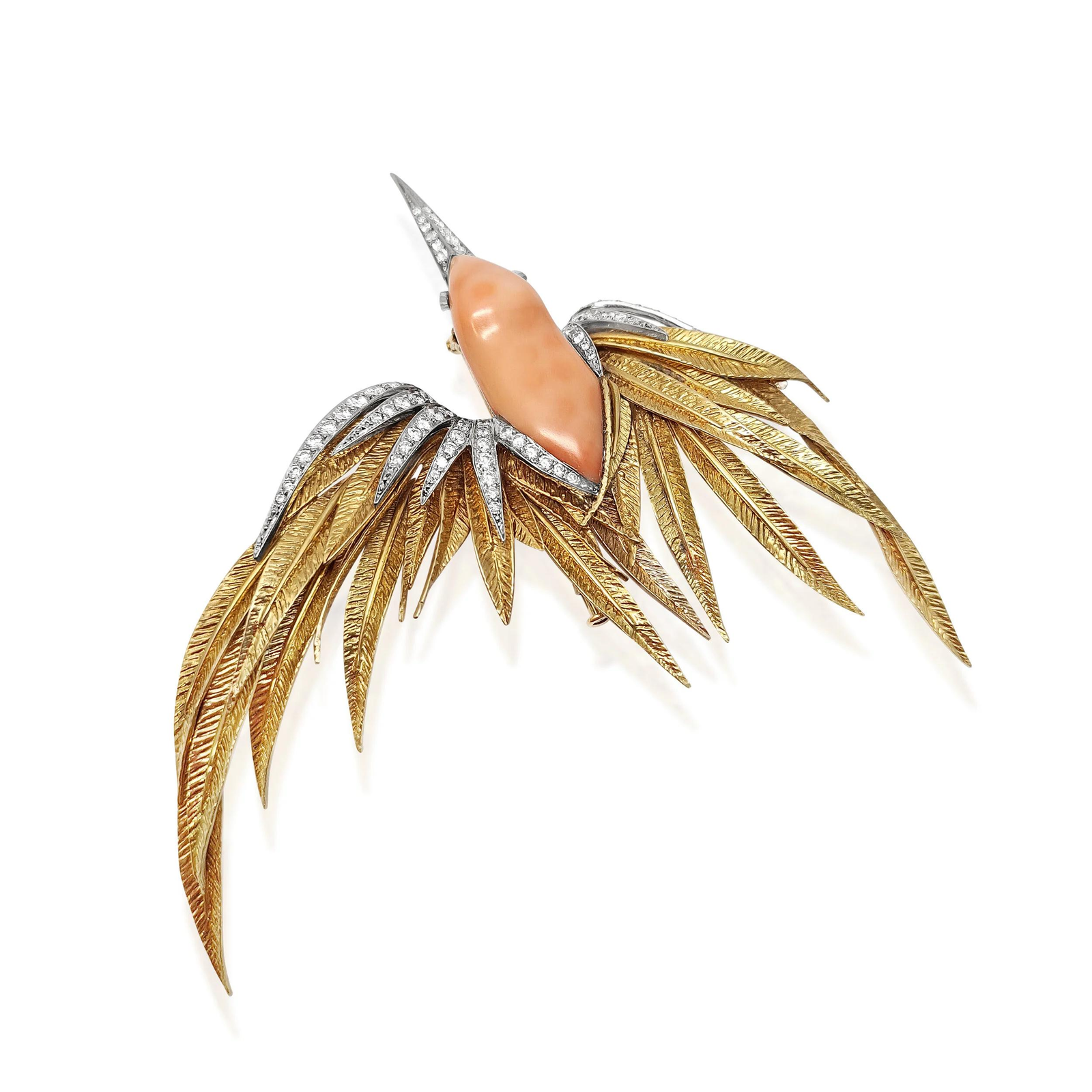
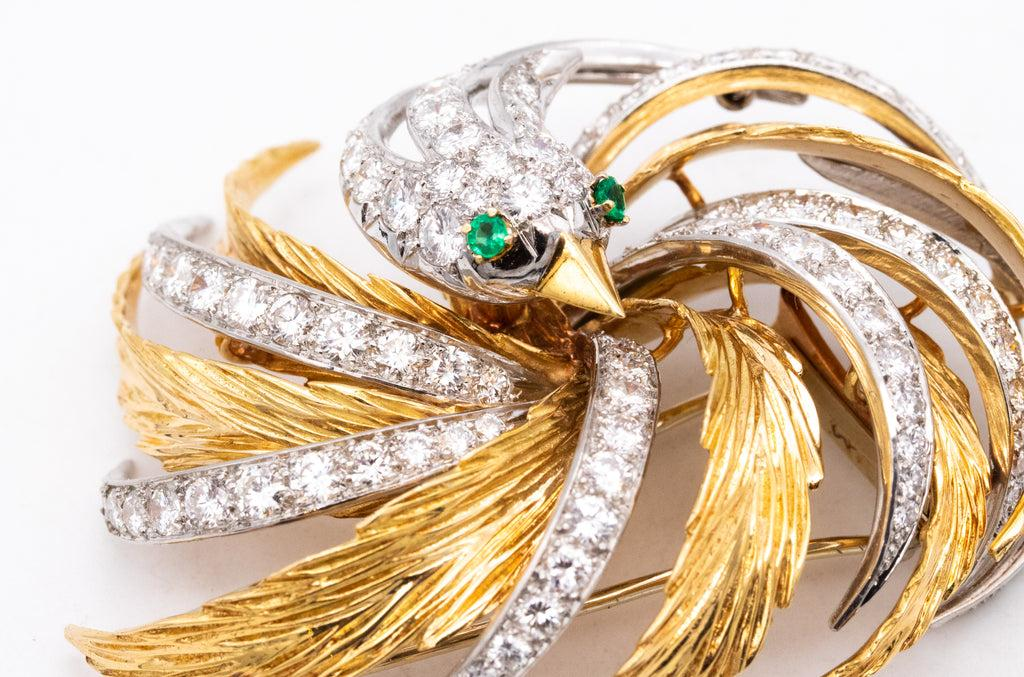
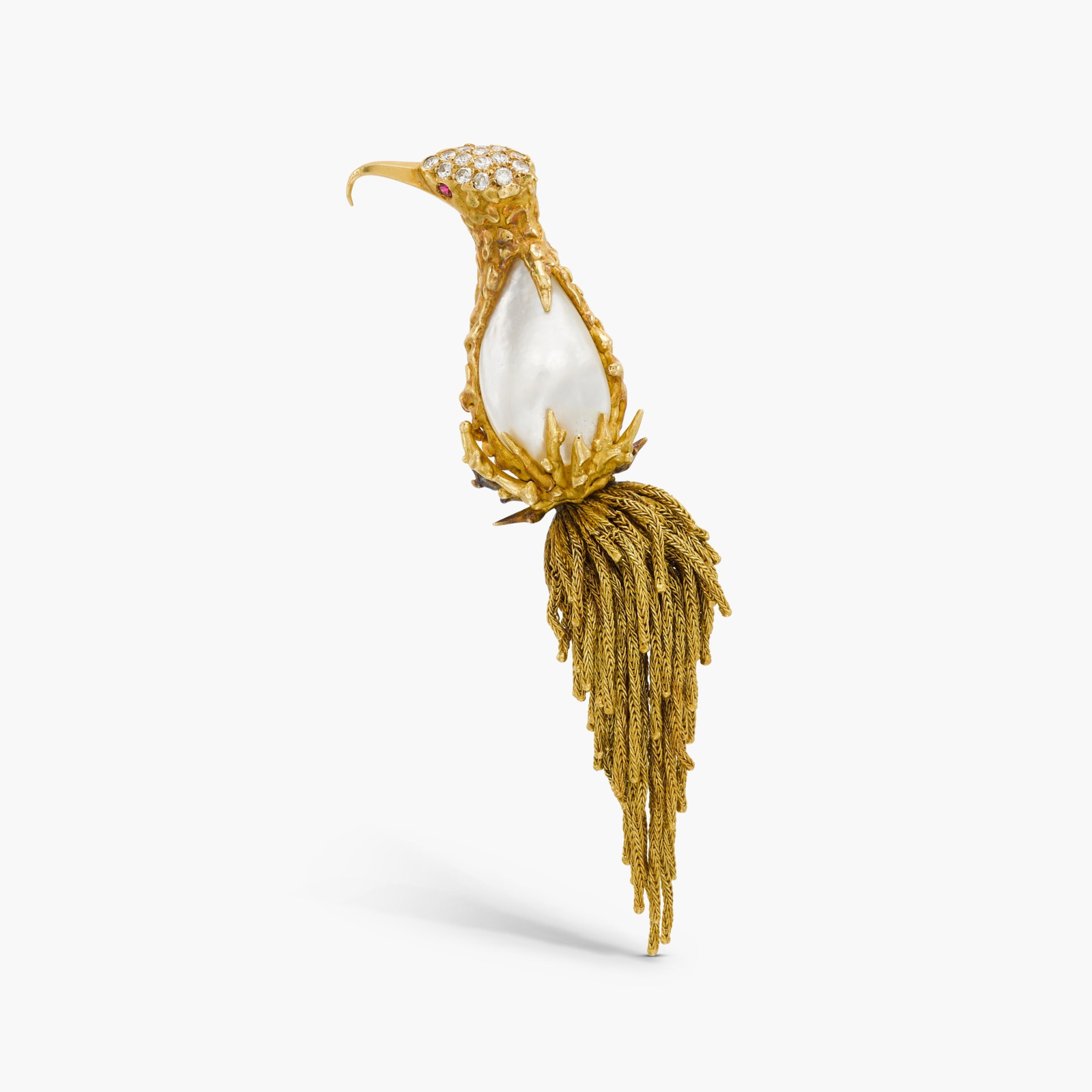
One of Pierre Sterlé’s most remarkable innovations was a technique known as Angel Hair, or Cheveux d’Ange in French.
Developed and patented in 1957, this technique involved working extremely fine gold wire into delicate braided structures and tiny chain-like sections.
These sections could be arranged into articulated fringes that moved with the wearer.
Imagine hundreds of delicate gold strands coming together to create something that resembles soft hair or flowing fabric. Instead of behaving like a rigid metal surface, the gold appears to ripple and move naturally.
The technique was particularly effective for creating feathers, bird tails, decorative fringes, and other organic details.
What made it extraordinary was the combination of flexibility and precision. Every strand needed to be carefully constructed and connected to create the desired movement without compromising the jewellery’s overall structure.
The result was a completely different way of experiencing gold jewellery.
Rather than simply shining under light, the metal appeared to come alive through movement.
Nature Was His Greatest Inspiration
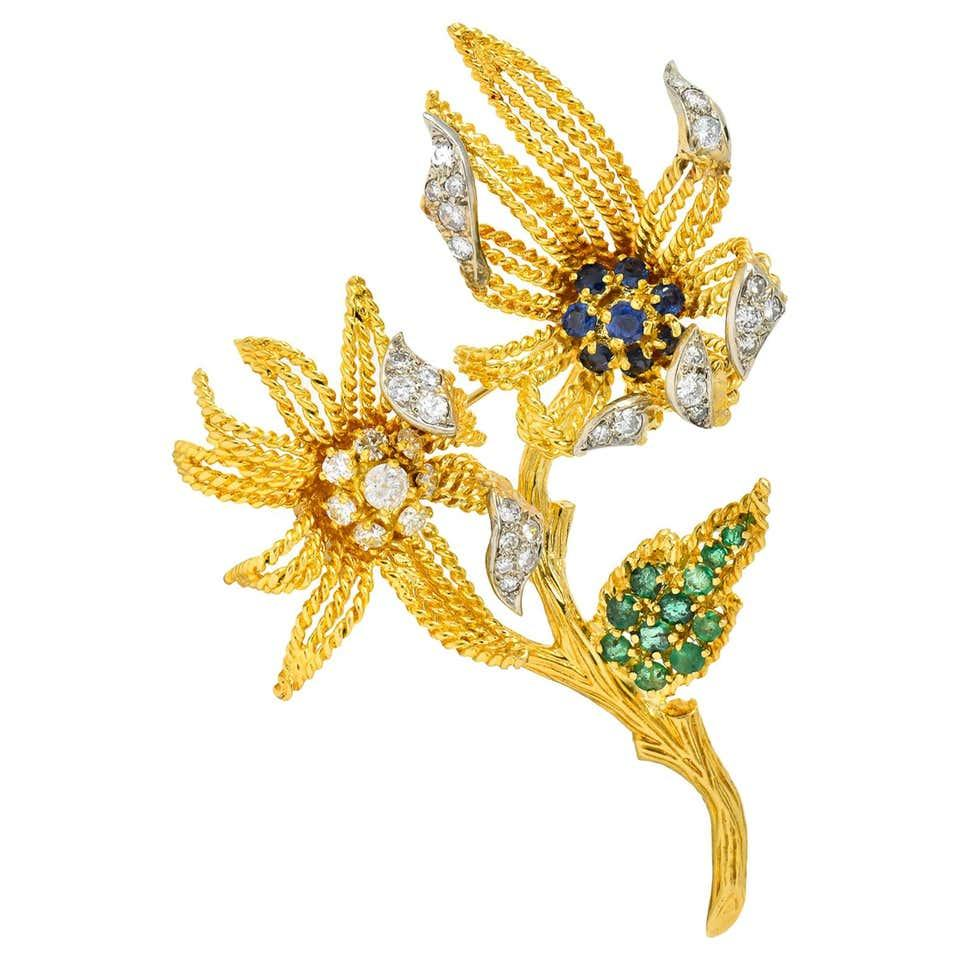
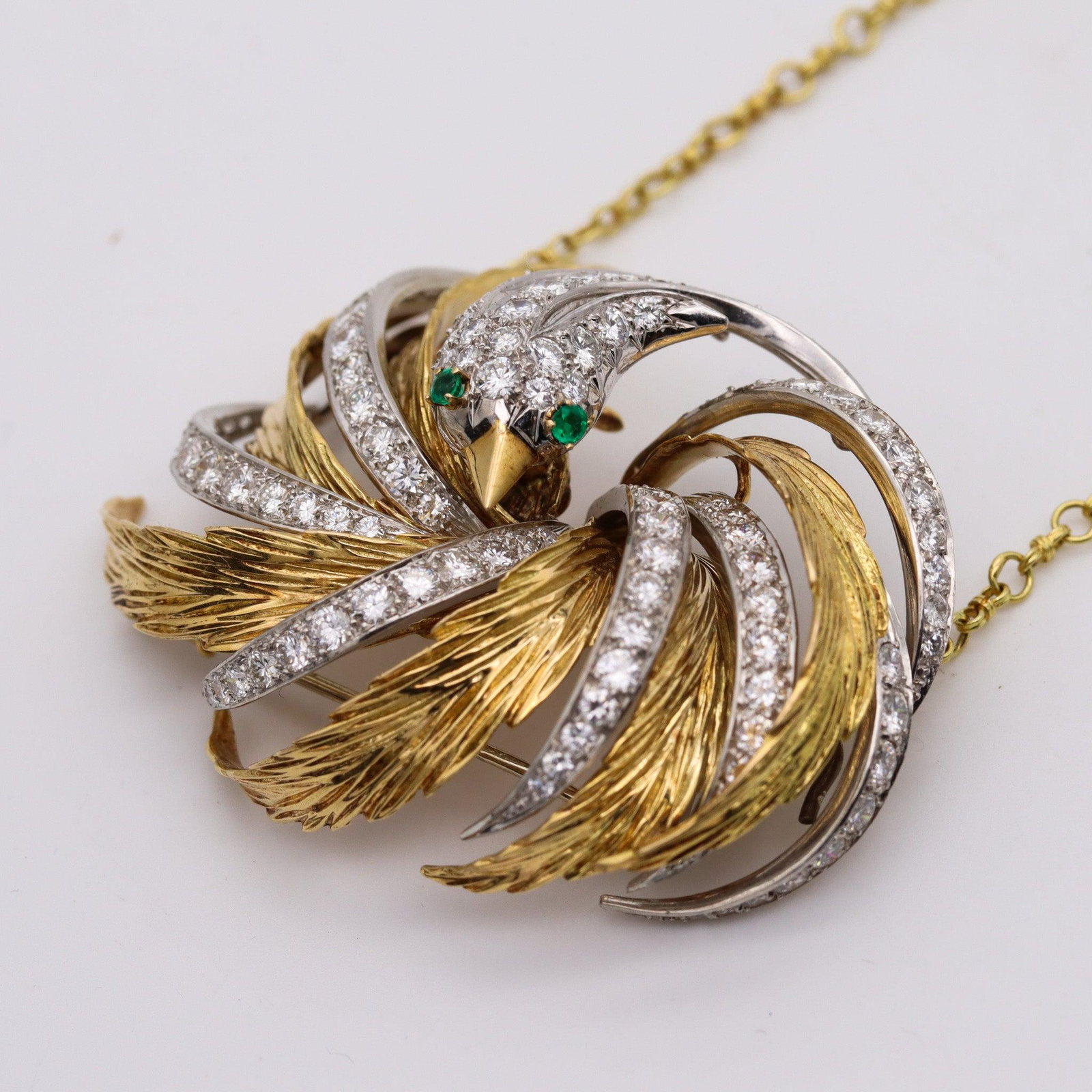
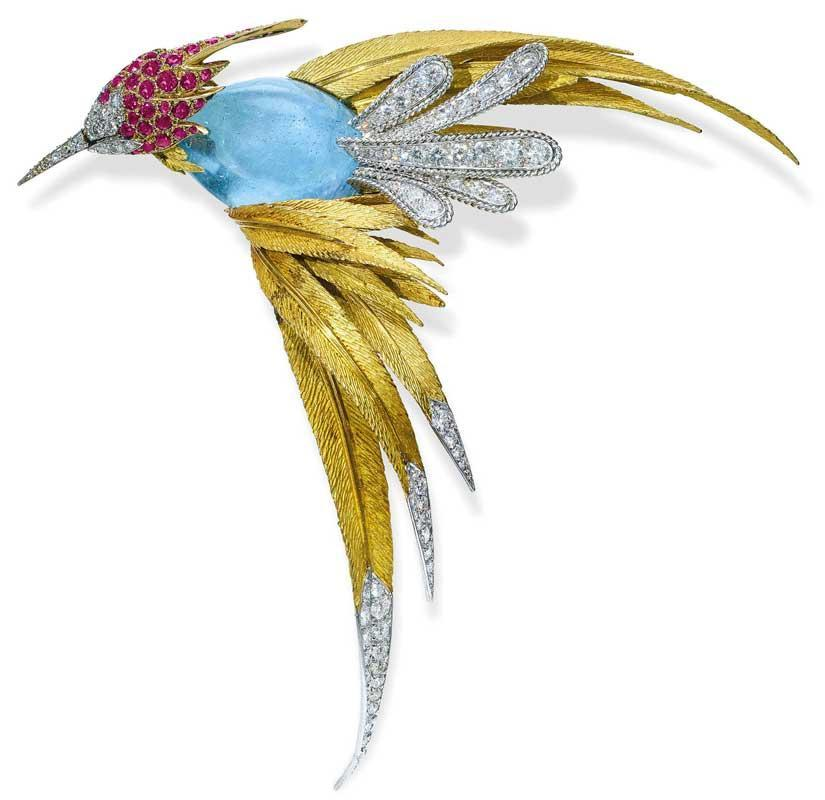
Pierre Sterlé had a deep appreciation for nature, and this influence was visible throughout his jewellery collections.
Birds, feathers, flowers, wings, and other natural forms became important elements of his creative vocabulary.
His designs were not simply realistic representations of nature. He interpreted natural forms through precious materials, artistic imagination, and innovative metalworking techniques.
Birds in Flight
Birds were among his most recognizable subjects. He used delicate gold chains and intricate wirework to recreate the appearance of feathers and flowing plumage.
The resulting brooches often looked as though the birds were caught in the middle of flight.
Feathers and Wings
Sterlé used fine gold structures to create feather-like textures that appeared soft and lightweight. These details brought an unusual sense of movement to his jewellery.
Flowers and Organic Forms
Flowers and botanical elements also influenced his designs. Through twisting, braiding, and weaving gold, he created decorative forms that reflected the natural curves and textures of plants.
His ability to transform rigid metal into organic-looking structures made his jewellery instantly recognizable.
Why Was Pierre Sterlé Called the Couturier of Jewellery?
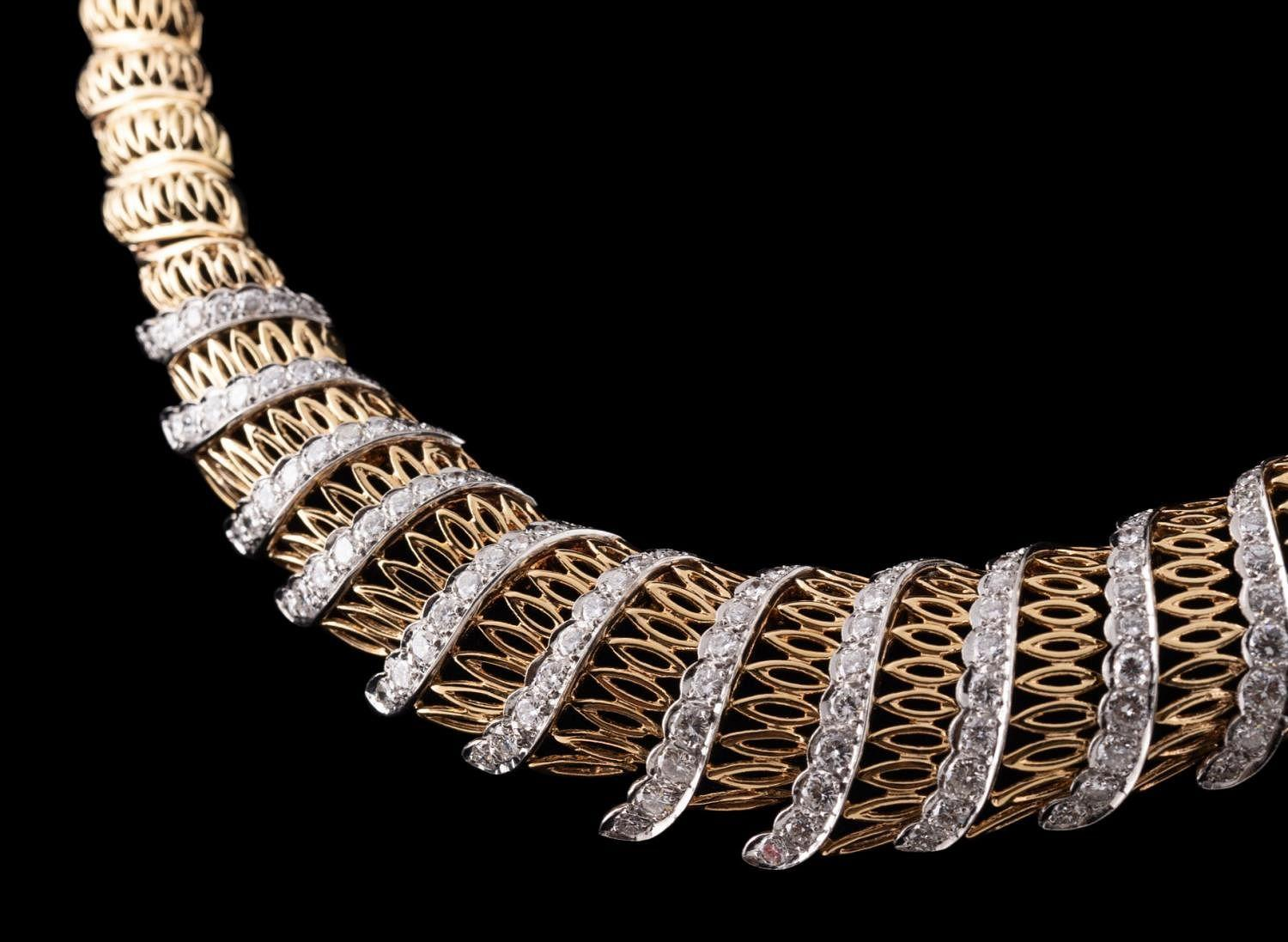
The word couturier traditionally refers to a designer or creator of high fashion.
Pierre Sterlé earned the nickname “Couturier of Jewellery” because his approach to precious metals was remarkably similar to the way a fashion designer works with fabric.
A fashion designer might twist, fold, weave, or drape silk to create a flowing garment. Sterlé applied similar ideas to gold.
He experimented with:
- Braided gold wires that resembled textile patterns.
- Flexible chain structures that created flowing fringes.
- Twisted gold forms that added depth and texture.
- Articulated elements that responded to body movement.
- Asymmetrical designs inspired by nature.
His work challenged the traditional idea that fine jewellery needed to look rigid, symmetrical, and perfectly structured.
Instead, he created jewellery that appeared expressive, fluid, and almost weightless.
This connection between fashion and jewellery helped establish his distinctive artistic identity.
His Association with Boucheron and Chaumet
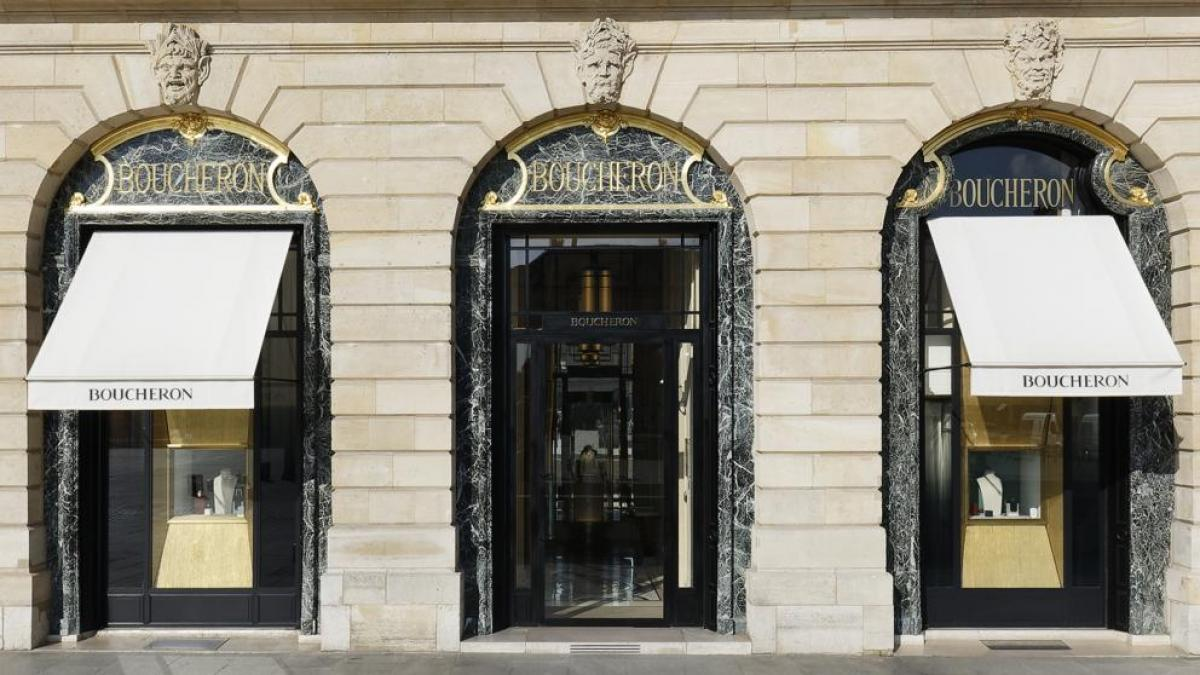
Pierre Sterlé’s influence extended beyond his own jewellery studio.
He created designs for several prestigious jewellery houses, including Boucheron, Chaumet, and Ostertag.
His work allowed these houses to explore innovative forms of jewellery that combined exceptional craftsmanship with unusual artistic expression.
His clientele included prominent personalities, collectors, and members of royalty. Among those associated with his creations were the Maharani of Baroda, King Farouk of Egypt, and the French writer Colette.
Sterlé’s reputation continued to grow throughout the 1940s and 1950s. He also received the De Beers International Diamond Award three consecutive times, in 1953, 1954, and 1955.
Later, financial difficulties affected his business, and Chaumet acquired his company in 1976. Sterlé subsequently worked as an artistic and technical adviser for the house until his death in 1978.
His legacy continues through the distinctive jewellery techniques and designs he developed.
What Modern Jewellery Designers Can Learn from Pierre Sterlé
Pierre Sterlé’s work offers valuable lessons for today’s jewellery designers and manufacturers.
His creations demonstrate that innovation does not always require new materials. Sometimes, it comes from discovering completely different ways to work with materials that already exist.
Modern jewellery designers can take inspiration from his approach in several ways.
1. Experiment with Metal Textures
Gold does not always need to have a smooth or polished finish. Twisting, weaving, braiding, and layering can create distinctive textures.
2. Design for Movement
Jewellery can become more expressive when individual components are designed to move naturally with the wearer.
3. Take Inspiration from Nature
Birds, feathers, flowers, and organic structures offer endless possibilities for innovative jewellery concepts.
4. Combine Creativity with Technical Precision
Complex jewellery structures require careful planning, accurate proportions, and attention to construction details.
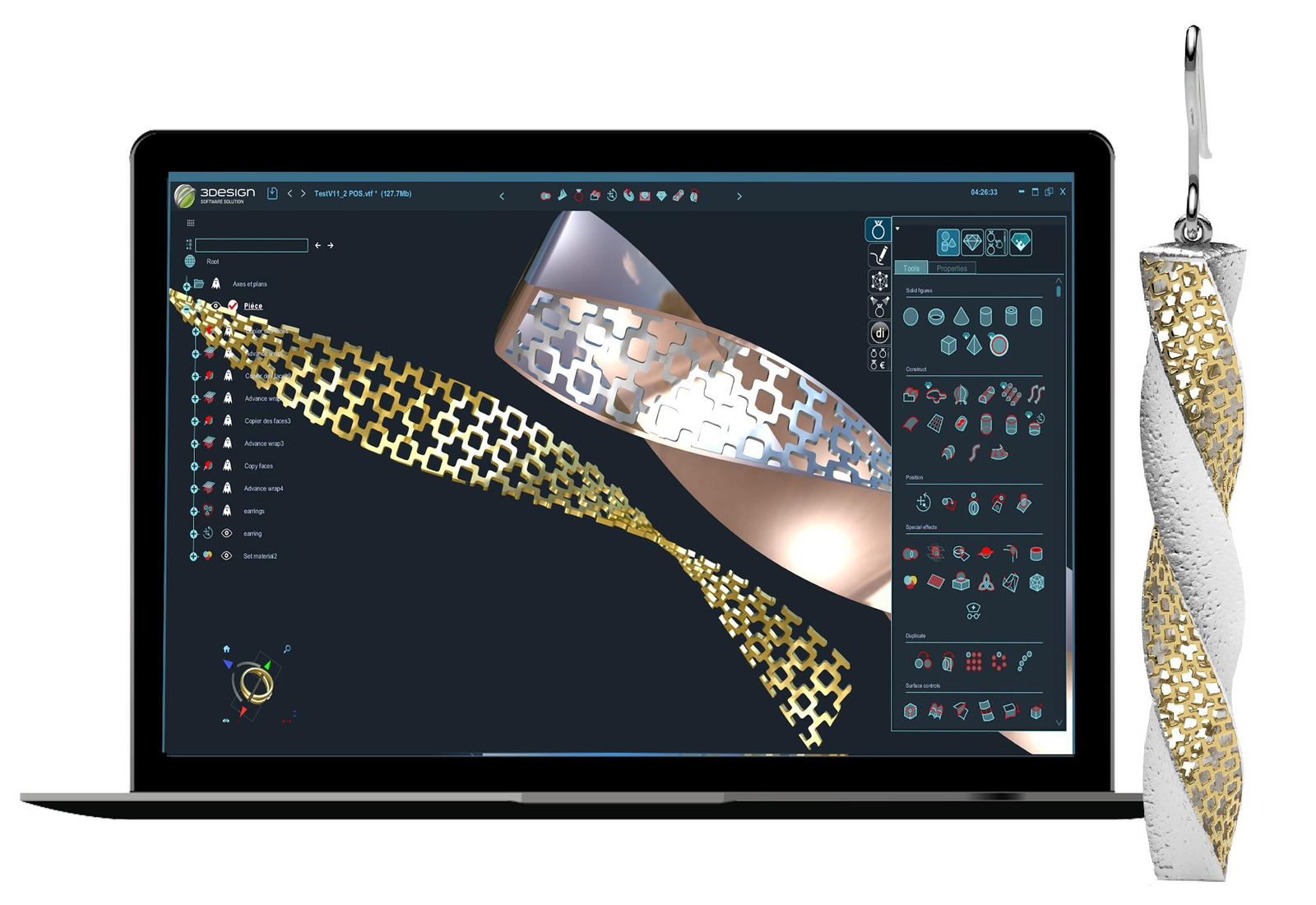
5. Explore New Possibilities with 3D CAD
Modern 3D jewellery CAD software allows designers to develop intricate structures, experiment with different patterns, and visualize complicated designs before manufacturing.
Although certain flexible and articulated details still require specialized manufacturing techniques, digital modelling makes it easier to explore and refine creative concepts.
The Lasting Legacy of the Couturier of Jewellery
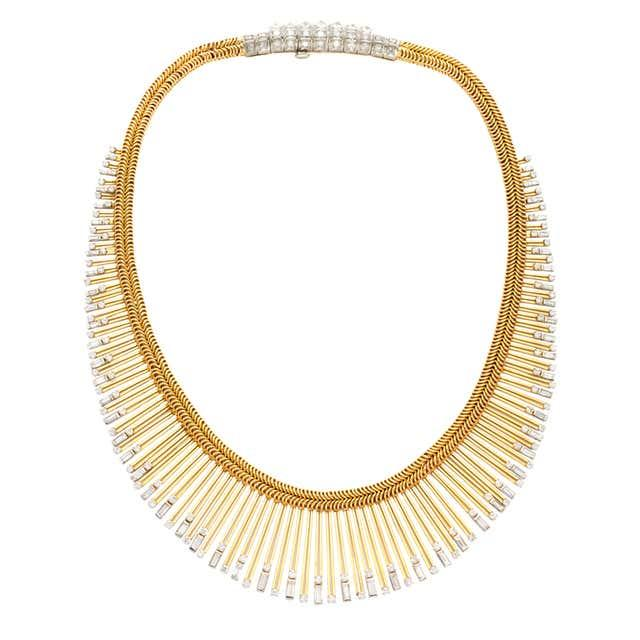
Pierre Sterlé changed the way designers understood the relationship between gold and movement.
His Angel Hair technique demonstrated that precious metal could be transformed into something that appeared almost weightless. Through delicate wirework, intricate braiding, and innovative construction, he created jewellery that seemed to move like fabric.
His birds appeared ready to fly, his feathers seemed to float, and his gold fringes responded to even the slightest movement.
Decades later, his work remains an inspiration for jewellery designers who want to challenge traditional forms and explore new creative possibilities.
At TASN Jewellery, we appreciate this combination of artistic imagination and technical precision. Our focus on 3D jewellery CAD design is driven by the same belief that every remarkable piece begins with a creative idea and careful attention to detail.
Because great jewellery design is not just about making precious materials look beautiful. It is about discovering what those materials can become.
