
The Maharaja of Patiala’s Extraordinary Jewellery Commission at Boucheron: A Royal Story of Diamonds and Emeralds
A fascinating chapter in Indian jewellery history | TASN Jewellery
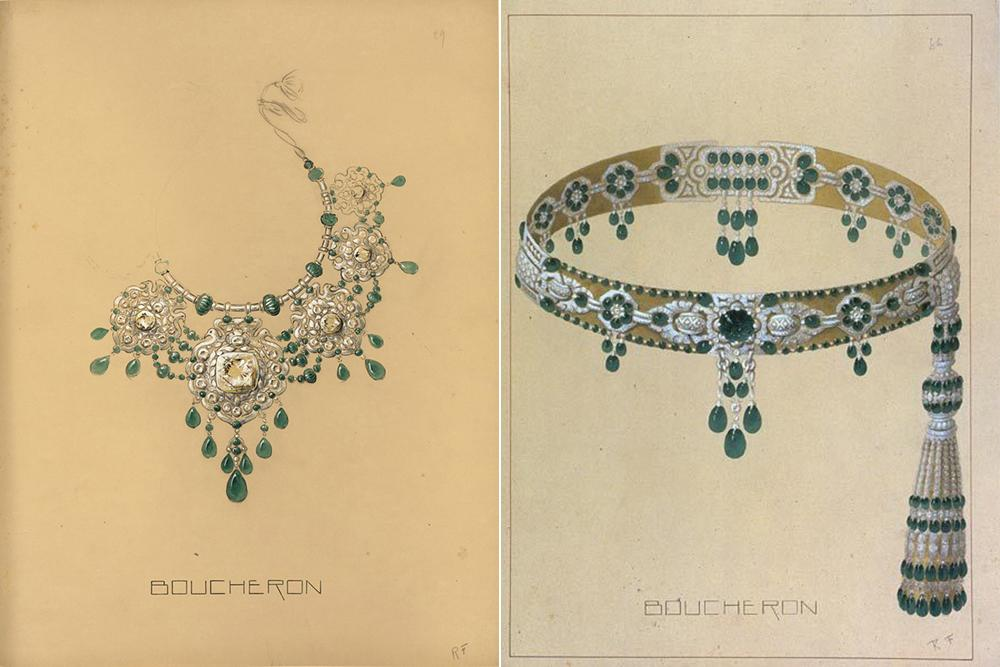
Imagine walking into one of the world’s most prestigious jewellery houses carrying thousands of diamonds, emeralds, rubies, and pearls, not to purchase jewellery, but to have your own precious gemstones transformed into extraordinary creations.
This is not a fictional jewellery story. It is one of the most remarkable chapters in the history of Indian royal jewellery.
In 1928, Maharaja Bhupinder Singh of Patiala arrived at the famous Parisian jewellery house Boucheron with an extraordinary collection of precious gemstones. His visit would become one of the most memorable commissions associated with the French jewellery house.
The scale of the collection was extraordinary, the creative challenge was immense, and the result brought together two distinctive worlds of jewellery design: the rich traditions of Indian royal jewellery and the geometric elegance of Art Deco.
Let’s explore the fascinating story behind this legendary royal jewellery commission.
Who Was Maharaja Bhupinder Singh of Patiala?
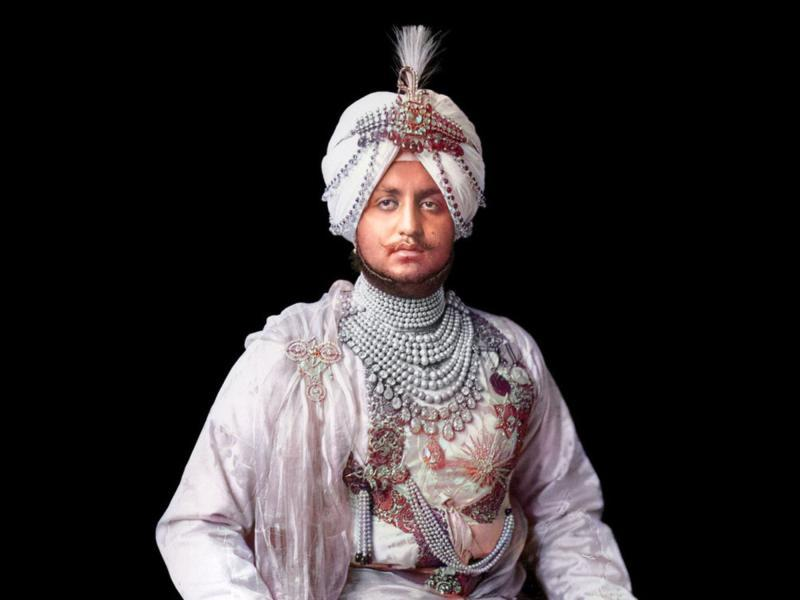
Maharaja Bhupinder Singh (1891–1938) was one of the most prominent rulers of the princely state of Patiala in British India.
Known for his grand lifestyle, royal collections, and passion for luxury, he was also an influential figure in the world of Indian royal culture.
His interest in fine jewellery reflected the traditions of Indian royalty, where precious gemstones were more than decorative possessions. Diamonds, emeralds, rubies, and pearls represented heritage, wealth, craftsmanship, and royal identity.
The Maharaja’s jewellery collection was exceptional in both its scale and variety. Rather than simply purchasing finished pieces from European jewellery houses, he wanted his existing gemstones to be transformed into designs that reflected his royal taste.
This vision led him to Paris and to Boucheron.
The Extraordinary Journey to Paris in 1928
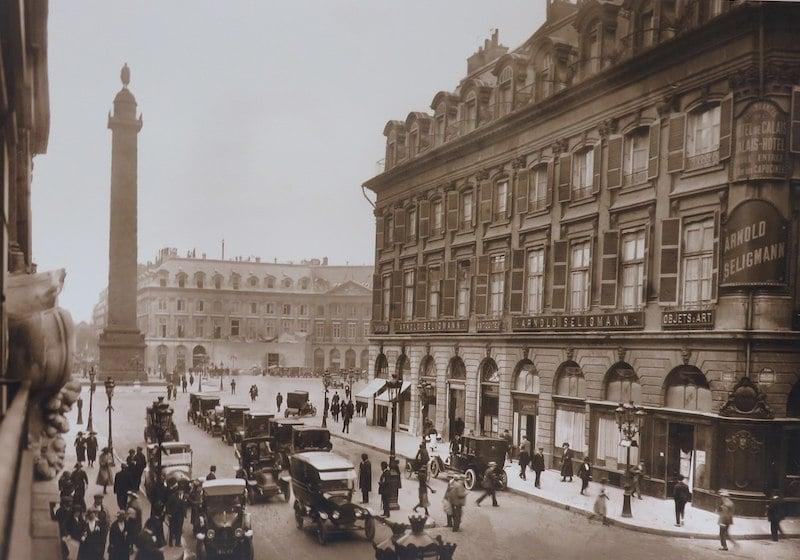
On August 2, 1928, the Maharaja made his way across Place Vendôme in Paris, travelling from the Ritz Paris to Boucheron’s prestigious jewellery boutique.
He was accompanied by a large royal entourage, including servants and Sikh guards. Historical accounts describe approximately 40 servants accompanying the Maharaja, while his guards carried several heavy iron safes containing precious gemstones.
Inside those safes was an extraordinary treasure:
- 7,571 diamonds
- 1,432 emeralds
- Thousands of other precious stones, including rubies and pearls.
The gemstones were not ordinary jewellery purchases. They were part of the Maharaja’s personal treasure collection, brought from India with a specific purpose: to transform them into exceptional jewellery creations.
The arrival created a remarkable moment for the jewellery world. Instead of choosing gemstones from a jeweller’s display, the Maharaja presented his own collection and entrusted the house with an extraordinary creative challenge.
Why Did the Maharaja Choose Boucheron?
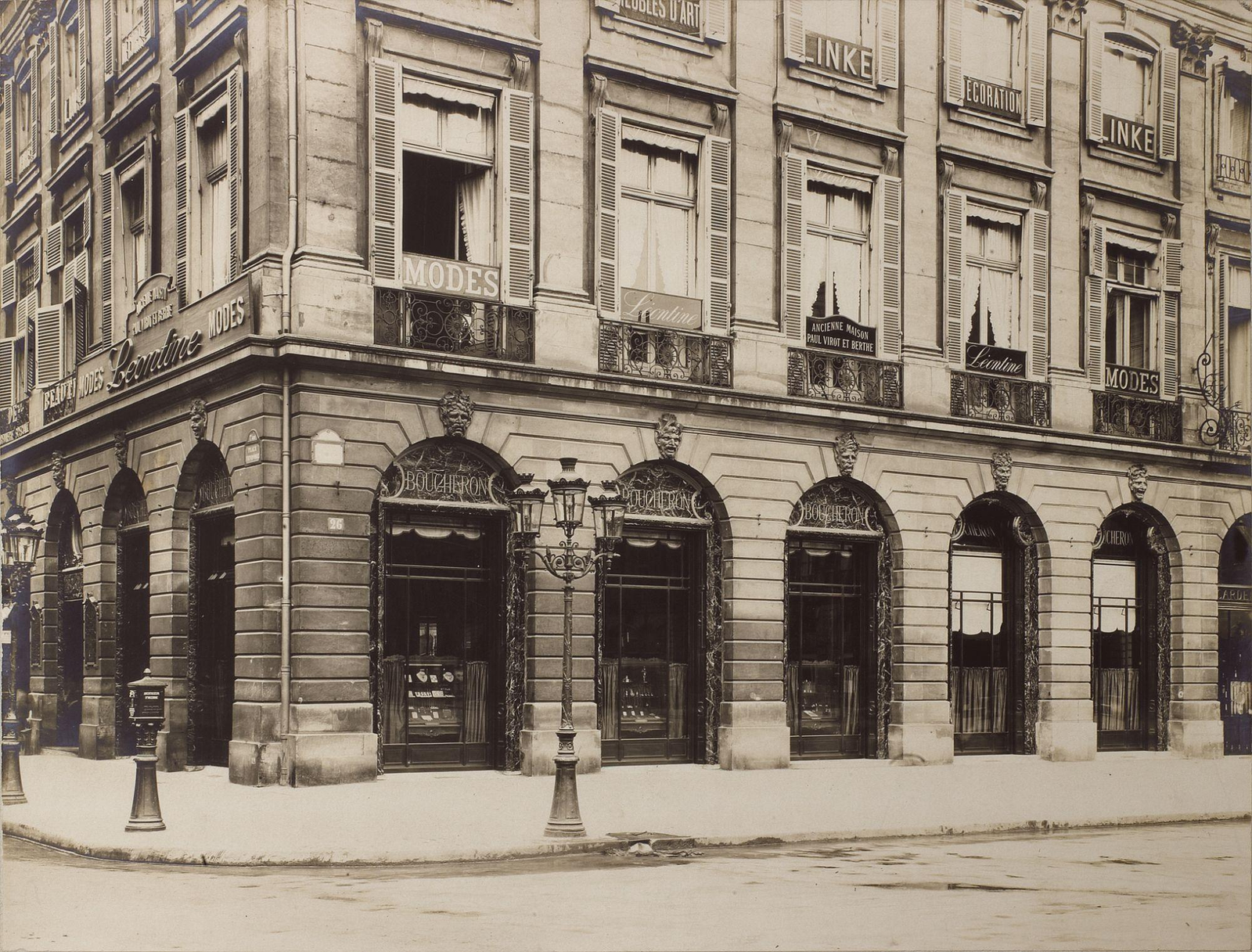
Founded in 1858 by Frédéric Boucheron, Boucheron had established itself as one of the leading jewellery houses in Paris.
The house was known for its craftsmanship, artistic approach, and ability to create exceptional high jewellery.
The Maharaja’s commission required more than simply placing gemstones into existing jewellery settings. He wanted his precious stones transformed into original creations that reflected his royal identity and the richness of Indian jewellery traditions.
This made Boucheron an ideal creative partner for the project.
Louis Boucheron, son of the founder, took on the extraordinary task of examining the collection and developing designs that would bring the Maharaja’s vision to life.
The commission became one of the most remarkable special orders in the history of Place Vendôme. National Jeweler+2
149 Extraordinary Jewellery Designs
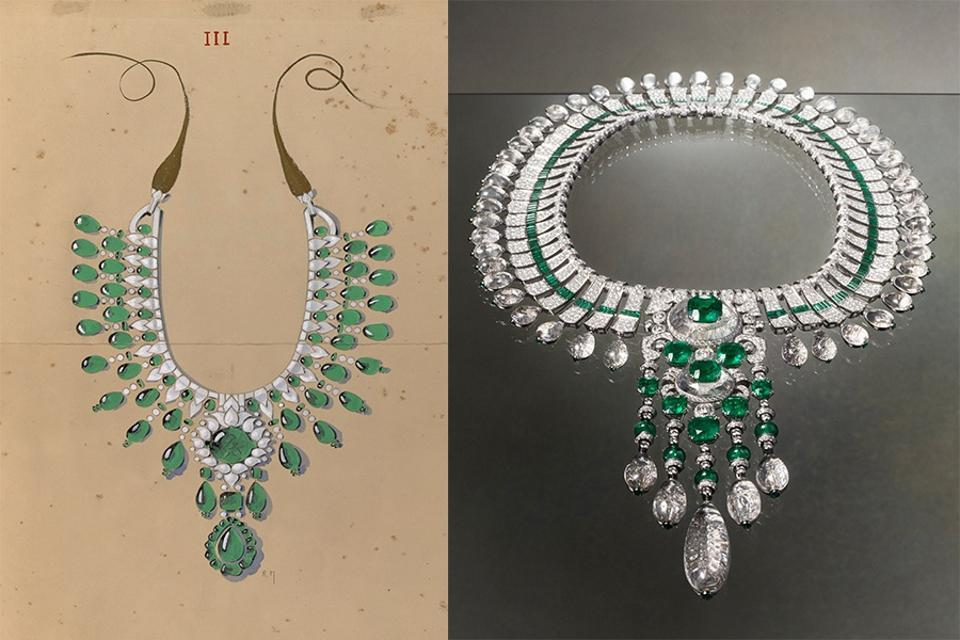
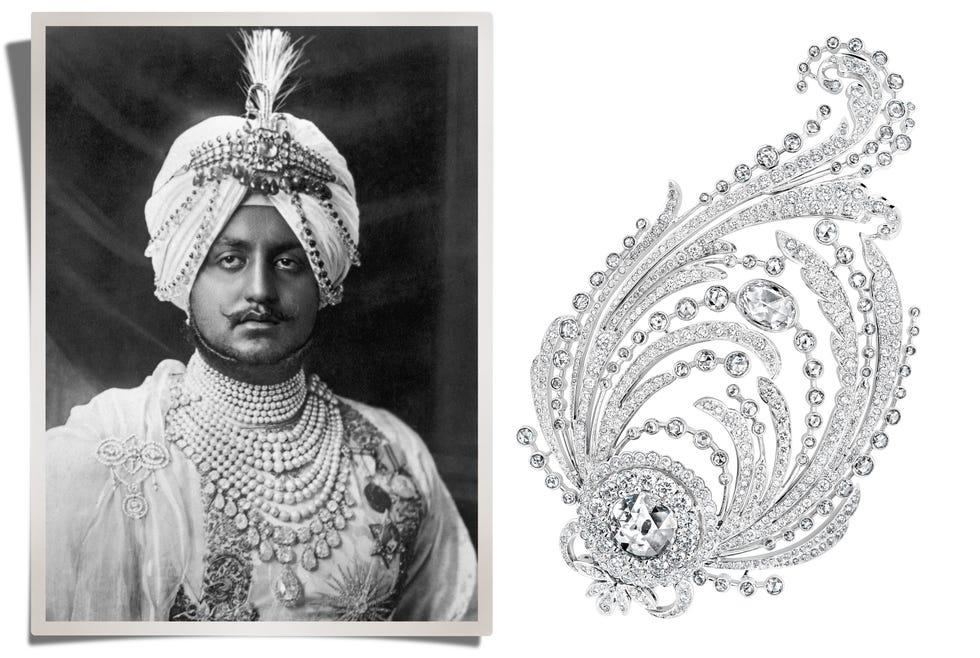
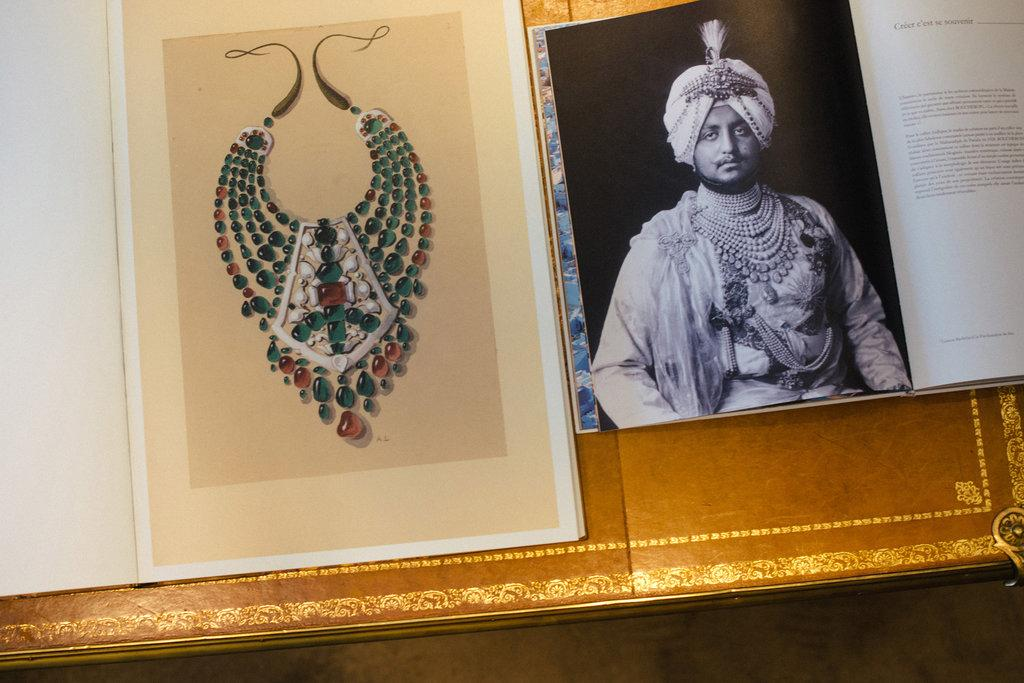
After examining the gemstones, Louis Boucheron developed an astonishing collection of 149 original jewellery designs.
The designs were created to showcase the extraordinary diamonds, emeralds, rubies, and pearls supplied by the Maharaja.
The collection included different forms of royal jewellery, such as:
- Elaborate diamond and emerald necklaces.
- Multi-strand pearl necklaces.
- Gemstone-encrusted belts.
- Traditional Indian jewellery ornaments.
- Statement pieces incorporating precious stones.
Each creation was intended to combine the magnificence of Indian royal jewellery with the refined techniques of French high jewellery.
The scale of the project demonstrated how jewellery design could bring together different cultural influences while preserving the individuality of each tradition.
The Beautiful Fusion of Indian Jewellery and Art Deco
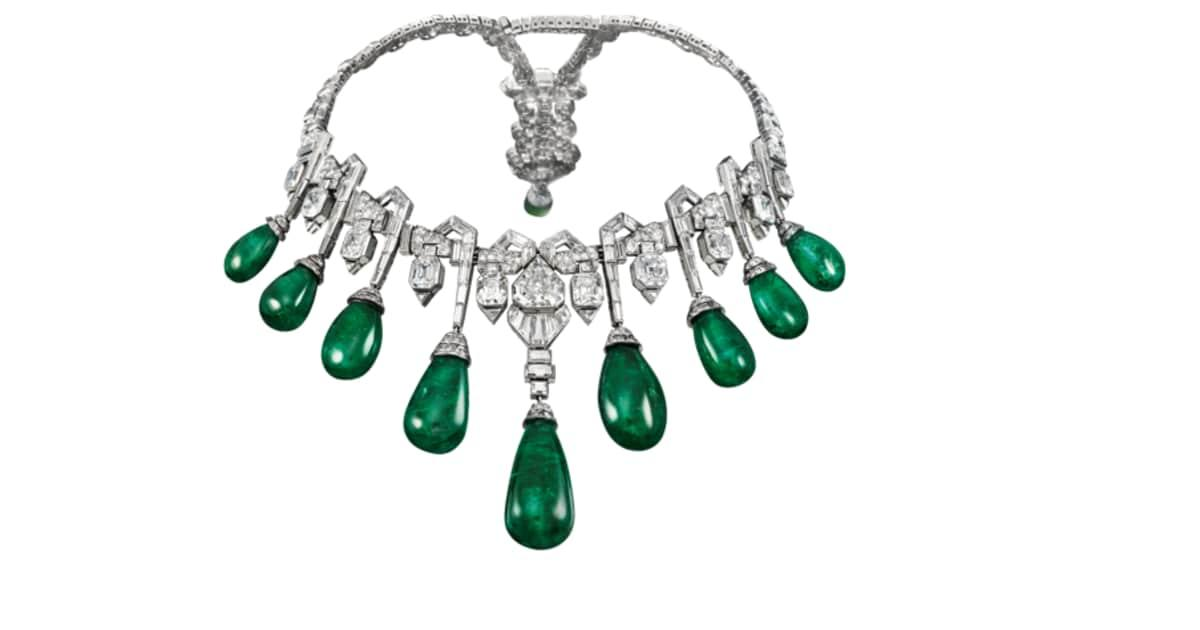
One of the most fascinating aspects of the Maharaja’s commission was the combination of Indian jewellery traditions and the Art Deco design movement.
During the 1920s, Art Deco was influencing architecture, fashion, interiors, and jewellery across Europe. It was characterized by geometric shapes, symmetry, structured patterns, and bold visual compositions.
Indian royal jewellery, meanwhile, had a rich history of elaborate gemstone arrangements, intricate craftsmanship, traditional ornaments, and vibrant colours.
Boucheron’s designs brought these two worlds together.
Indian Jewellery Traditions
Indian jewellery influenced the designs through:
- Rich emerald and diamond combinations.
- Traditional royal ornaments.
- Elaborate gemstone arrangements.
- Decorative motifs and cultural references.
- Multi-layered jewellery compositions.
Art Deco Influence
The European design movement contributed:
- Geometric patterns.
- Symmetrical arrangements.
- Structured silhouettes.
- Refined platinum settings.
- Bold combinations of shapes and gemstones.
The result was a distinctive design language that respected Indian heritage while embracing contemporary European aesthetics.
This creative fusion remains an important example of how jewellery can reflect cultural exchange and artistic innovation.
The Original Designs Still Survive in Boucheron’s Archives
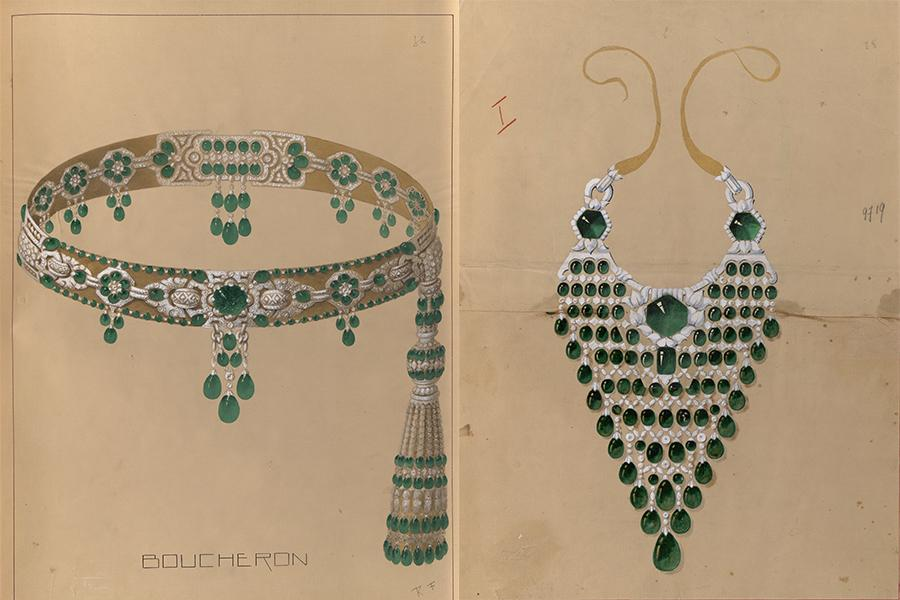
Perhaps the most remarkable part of this story is that the original design drawings have survived.
Almost a century after the commission, Boucheron’s archives still preserve the 149 original designs created for the Maharaja of Patiala.
These drawings offer a fascinating look into the creative thinking, craftsmanship, and artistic vision behind the collection.
They also became an important source of inspiration for Boucheron’s later creative projects.
In 2022, Boucheron introduced its New Maharajahs high jewellery collection, revisiting the historic commission. Creative Director Claire Choisne drew inspiration from the original archival designs and reinterpreted their traditional Indian references through a contemporary perspective.
The collection demonstrated that historical jewellery designs can continue to inspire new generations of designers.
The survival of these drawings makes the Patiala commission more than a story about precious gemstones. It is also a valuable record of jewellery design history.
What Makes This Commission So Important in Jewellery History?
The Maharaja of Patiala’s commission was extraordinary for several reasons.
1. An Unprecedented Collection of Gemstones
Thousands of diamonds, emeralds, rubies, and pearls were brought together for a single jewellery project, creating an exceptional design opportunity.
2. A Unique Creative Collaboration
The project connected Indian royal heritage with the craftsmanship and design expertise of a prestigious French jewellery house.
3. 149 Original Designs
Rather than producing ordinary jewellery pieces, Boucheron developed an extensive collection of individual designs based on the Maharaja’s gemstones.
4. A Lasting Artistic Legacy
The preservation of the original sketches allowed later generations to study, appreciate, and reinterpret the collection.
5. Inspiration for Modern Jewellery Designers
The project continues to demonstrate the importance of originality, cultural inspiration, gemstone selection, and thoughtful design development.
What Modern Jewellery Designers Can Learn from This Royal Commission
The story of Maharaja Bhupinder Singh is not only about wealth and luxury. It also provides valuable lessons for today’s jewellery designers and manufacturers.
Design Should Begin with a Vision
The Maharaja did not simply ask for gemstones to be set into jewellery. He wanted his collection transformed into something extraordinary.
This highlights the importance of understanding the purpose, style, and inspiration behind every jewellery project.
Originality Creates Lasting Value
The 149 designs were developed specifically around the Maharaja’s gemstones and requirements. Their originality helped establish a lasting place in jewellery history.
Cultural Inspiration Creates Unique Designs
Combining traditional Indian jewellery elements with international design movements created something distinctive. Modern designers can similarly explore cultural references while developing original concepts.
Precision Is Essential in Jewellery Manufacturing
Behind every elaborate jewellery creation is careful planning of proportions, gemstone placement, structure, and setting details.
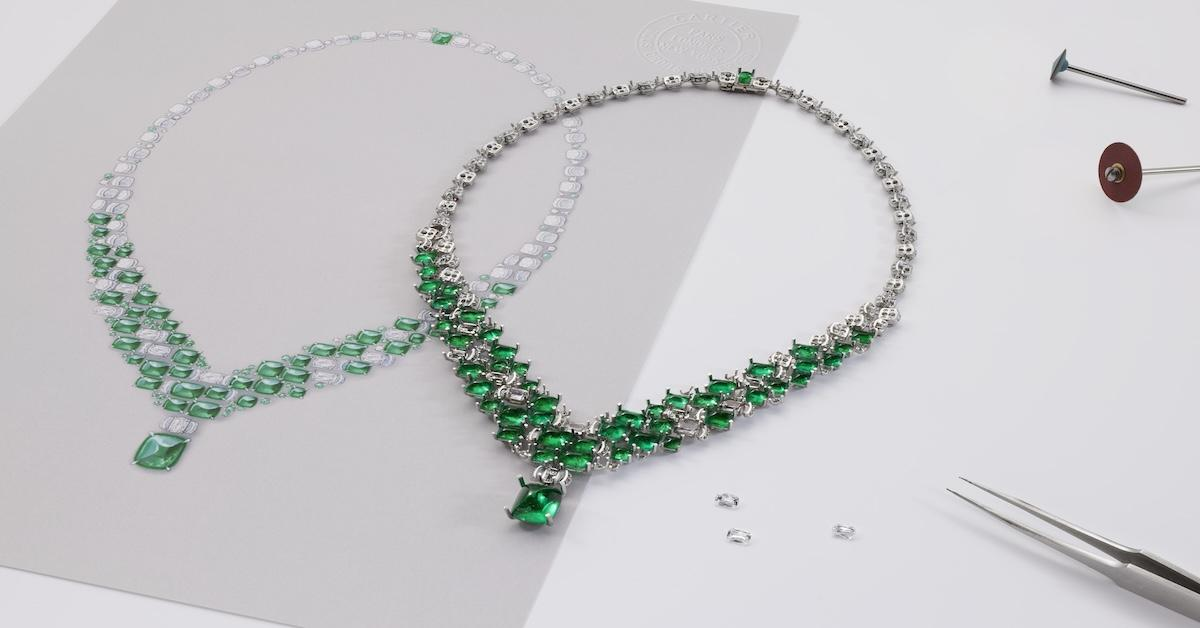
Modern 3D CAD jewellery design makes it possible to visualize complex arrangements, evaluate design proportions, and refine technical details before manufacturing begins.
The same principles of creativity and precision that made historical royal commissions extraordinary remain relevant to the jewellery industry today.
Conclusion: A Royal Legacy That Continues to Inspire Jewellery Design
The 1928 commission of Maharaja Bhupinder Singh of Patiala remains one of the most fascinating stories in the history of fine jewellery.
Thousands of precious gemstones, 149 original designs, and the creative expertise of Boucheron came together to create a remarkable chapter in the relationship between Indian royalty and European jewellery craftsmanship.
What makes this story truly special is not just the number of diamonds or emeralds involved. It is the vision behind the project: transforming an extraordinary personal treasure into jewellery that celebrated heritage, creativity, and artistic excellence.
Nearly a century later, the original drawings continue to inspire contemporary jewellery designers.
At TASN Jewellery, we appreciate this connection between creativity, craftsmanship, and precision. Every remarkable jewellery creation begins with an idea, and thoughtful 3D CAD design helps transform that idea into a detailed digital model ready for further development.
